Spring Chemical Storage Risks: Use Certified Cabinets to Avoid Lab Accidents
Spring brings dramatic environmental changes that raise major safety concerns for laboratories, research centers, and industrial workshops. Rising temperatures, dry air, gusty winds, and frequent holiday staff rotations create hidden dangers that do not exist during other times of the year. Most spring chemical accidents are not caused by operational errors or equipment failure—they happen due to careless and unstandardized chemical storage habits.
Global lab safety data confirms that two-thirds of chemical incidents occurring during spring holidays result from overlooked storage risks. Many facility managers focus heavily on in-lab experiment safety but ignore daily storage maintenance, which gradually leads to chemical leakage, static ignition, fire outbreaks, and even explosion hazards.
To effectively reduce seasonal safety threats, classified chemical management and professional safety storage equipment are essential. For practical spring safety strategies and professional cabinet usage guidance, you can refer to this comprehensive industry resource: Hazardous Chemical Storage Cabinets: Spring Safety Compliance & Risk Assessment Guide.
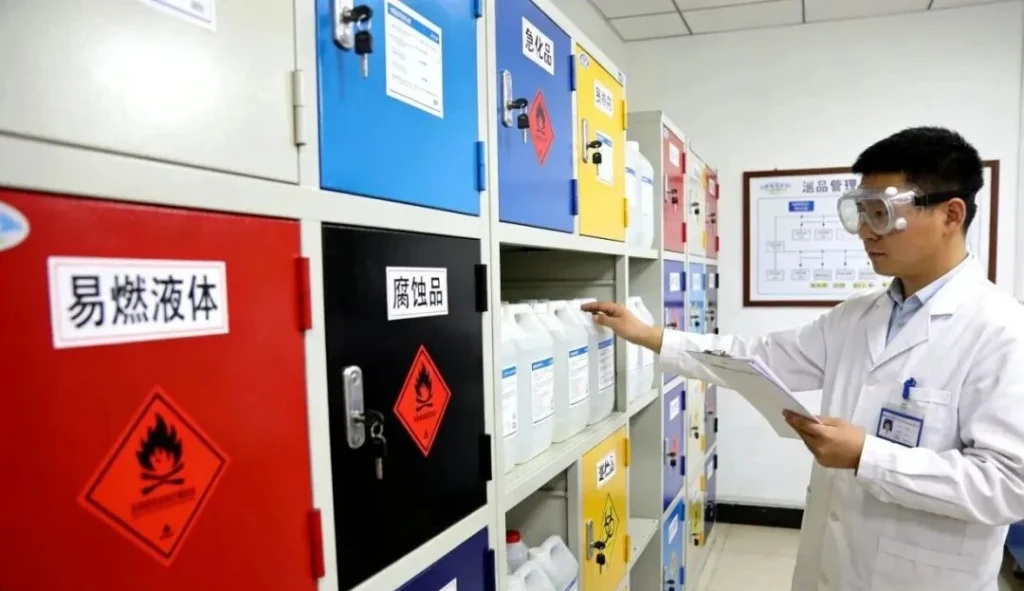
Why Spring Causes More Chemical Storage Hazards
Compared with stable autumn and winter weather, spring conditions create four common yet dangerous hidden risks for chemical storage areas:
1. Rising Temperatures Speed Up Chemical Volatilization
Warm weather accelerates the evaporation of flammable and volatile chemicals. Without fully sealed and ventilated hazardous chemical storage cabinets, dense chemical vapors build up quickly in enclosed spaces, triggering high risks of toxic inhalation and sudden flash fires.
2. Dry Air Triggers Severe Static Electricity Build-Up
Low spring humidity prevents natural static dissipation. Basic daily operations such as moving chemical containers, opening reagent bottles, or equipment friction can produce tiny static sparks. These small sparks are enough to ignite floating chemical vapors, making static electricity one of the most underestimated spring lab hazards.
3. Uncontrolled External Fire Hazards
Strong spring winds carry flammable debris, dust, and burning materials from nearby construction work, outdoor burning, and industrial activities. These external ignition sources significantly raise fire risks for indoor chemical storage zones.
4. Holiday Supervision Gaps
Spring holidays often lead to staff rotation, reduced on-site patrols, and temporary, untrained workers. Unattended storage areas for extended periods allow minor hidden dangers to escalate into serious, irreversible safety accidents.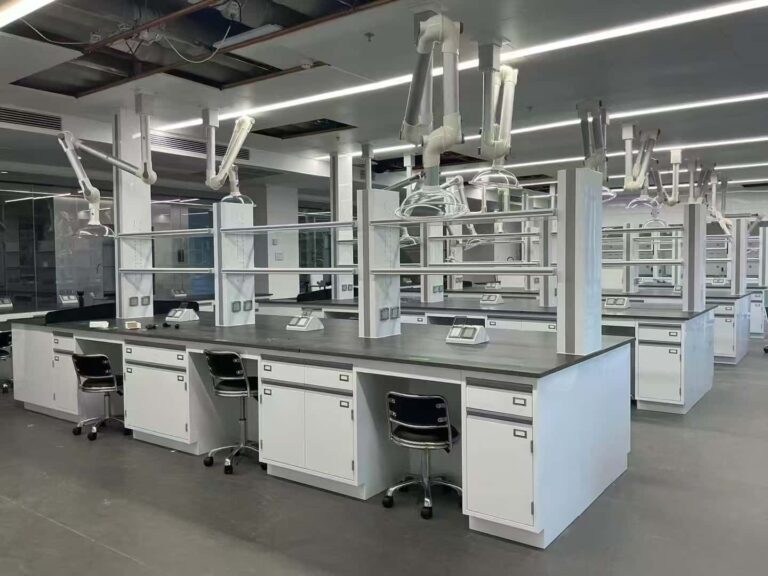
Most Common Chemical Storage Mistakes in Modern Labs
Nearly all seasonal lab safety risks stem from long-term incorrect storage practices that are easily overlooked:
Storing incompatible chemicals together, mixing corrosive reagents with flammable substances, cluttering safety cabinets with irrelevant tools, missing essential spill-response supplies, and skipping regular cabinet maintenance and ventilation filter replacements.
These casual habits pose little threat in cool, humid weather but become extremely hazardous under typical spring environmental conditions.
Professional hazardous chemical storage relies on strict classification, dedicated cabinet usage, stable environmental control, efficient ventilation, and complete emergency preparedness. High-quality certified storage cabinets isolate incompatible chemicals, block open flames, eliminate static accumulation, and contain liquid spills, acting as the primary safety barrier for seasonal lab protection.
Quick Self-Check: Is Your Chemical Storage System Safe for Spring?
Use these simple, practical checkpoints to quickly assess your lab's storage safety level:
Are all chemical labels clear, complete, and undamaged? Are acids, alkalis, oxidizers, and flammable chemicals stored separately in exclusive cabinets? Are storage cabinets properly grounded with fully functional ventilation systems? Are spill cleanup kits and fire safety equipment available and valid? Are emergency passages completely unobstructed? Are reactive, self-heating, and high-risk chemicals placed in independent dedicated storage units?
If multiple items fail to meet basic safety standards, your lab's storage system has critical loopholes that require immediate rectification before spring risk levels peak.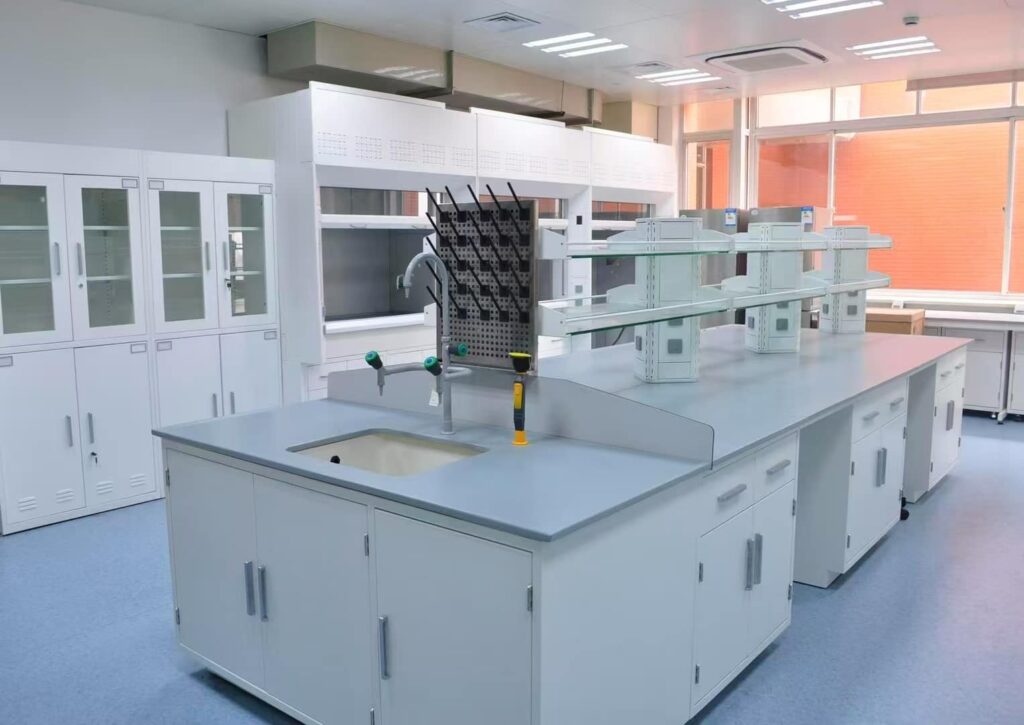
Key Spring Storage Optimization Solutions
1. Strict Chemical Classification & Separation
Always store chemicals by category. Never mix flammable, corrosive, toxic, and oxidative reagents. Each type of hazardous material requires a dedicated storage cabinet to prevent dangerous chemical reactions and cross-contamination.
2. Enhance Static Electricity Prevention
Maintain stable indoor humidity during dry spring seasons. Require all staff to wear standard anti-static work gear during chemical handling. Ensure every storage cabinet remains reliably grounded at all times.
3. Maintain Clean & Ventilated Storage Zones
Remove all combustible items and clutter around storage cabinets. Regularly clean residual liquid and dirt inside cabinets, and replace aging ventilation filters to keep the storage environment dry, clean, and safe.
4. Improve Holiday Safety Management
Clarify on-duty staff responsibilities and post visible emergency contact information. Increase nighttime inspection frequency to eliminate safety supervision gaps during spring holidays.
Final Thoughts
Spring lab safety depends heavily on standardized chemical storage management, which is equally important as safe experimental operations. Almost all seasonal chemical accidents can be avoided with proper storage habits, regular risk inspections, and professional safety storage cabinets.
You can also visit Labworkbenchs.com to explore the full range of professional lab furniture and safety storage solutions for your facility.


Comments
Post a Comment